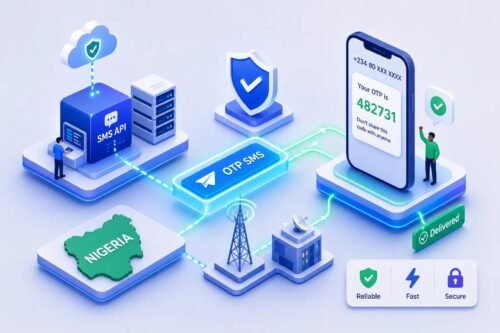
Bulk SMS in Nigeria is one of the fastest and most cost-effective ways for businesses and institutions to communicate with customers, staff, and stakeholders. From business owners and developers to government agencies, NGOs, schools, hospitals, hotels, religious bodies, and political organizations, SMS is widely used for alerts, reminders, promotions, and critical notifications.
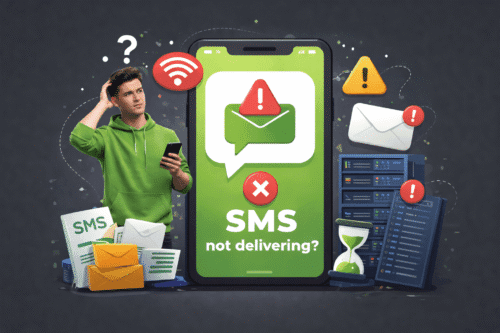
Yet a common challenge remains: many SMS campaigns still log failed, expired, or rejected messages.
If you’ve ever asked, “Why is my bulk SMS not delivering in Nigeria?”, this guide from Nigeria Bulk SMS explains the 10 most common causes of SMS delivery failure and how to fix them to improve your delivery rate.
- DND (Do Not Disturb) Numbers in Nigeria
DND (Do Not Disturb) is a service that Nigerian mobile users can activate to block promotional SMS messages. When you send marketing messages to DND numbers, the telecom networks will automatically block them.
How to improve delivery:
- Use a DND-friendly or transactional SMS route when necessary
- Segment your contact list into DND and non-DND numbers
- Send promotional SMS only to non-DND contacts and reserve transactional routes for important alerts
- Invalid or Inactive Phone Numbers
One major cause of bulk SMS failure in Nigeria is poor contact data. Wrong numbers, incomplete numbers, or inactive SIM cards will always result in failed messages.
How to improve delivery:
- Clean and update your contact database regularly
- Remove duplicates and incorrect entries
- Use the correct Nigerian number formats (e.g., 080…, 070…, 081…, 090…,23480)
- Poor Network Coverage
Network issues still affect SMS delivery in some parts of Nigeria. If a recipient’s phone is switched off, out of coverage, or in an area with a weak signal, messages may fail or expire.
How to improve delivery:
- Expect a small percentage of network-related failures
- Retry sending to expired numbers later
- Use a reliable bulk SMS provider like the NIGERIA BULK SMS with strong connections to all Nigerian networks
- Unapproved or Blocked Sender ID
All Sender IDs in Nigeria must be registered and approved by the networks. If your Sender ID is not approved or violates naming rules, your SMS may be rejected.
How to improve delivery:
- Always register your Sender ID before sending campaigns
- Use a clear Sender ID that represents your brand or organization
- Avoid misleading or restricted names
- SMS Content Flagged as Spam
Telecom operators in Nigeria actively filter spam and fraudulent messages. If your SMS looks suspicious or contains banned phrases, it may be blocked before reaching recipients.
How to improve delivery:
- Write explicit, honest, and compliant SMS content
- Avoid spammy words, misleading claims, or suspicious links
- Follow Nigerian telecom regulations for bulk messaging. The Nigerian Communications Commission (NCC) has established rules aimed at reducing spam and protecting consumers, including requirements for message consent, content clarity, and sender verification
- Poor or Unstable SMS Routes
Sometimes, SMS delivery problems are caused by the route used to send the messages. If the route is unstable or congested, your delivery rate will drop.
How to improve delivery:
- Use a trusted provider like NIGERIA BULK SMS with reliable routes
- Monitor delivery reports for unusual failure rates
- Contact support when you notice consistent delivery issues
- Insufficient SMS Credits
If your SMS balance runs out while a campaign is sending, some messages will not be delivered and may appear as failed or unsent.
How to improve delivery:
- Always check your SMS balance before starting a campaign
- Buy enough credits to cover your entire contact list
- Keep a small buffer to avoid interruptions
- Message Content Violates Network Rules
Certain types of content—such as gambling, betting, adult content, scams, or unapproved financial promotions—can trigger message rejection by Nigerian networks.
How to improve delivery:
- Ensure your SMS content complies with telecom guidelines
- If you operate in a regulated industry, use approved templates and routes
- Confirm content rules with your SMS provider before sending
- Number Portability and Routing Issues
Some Nigerian users port their numbers from one network to another (for example, from MTN to Airtel). If routing is not updated correctly, SMS delivery can fail.
How to improve delivery:
- Use a bulk SMS provider that supports number portability routing
- Expect a small percentage of failures due to routing mismatches
- Resend critical messages when necessary
- Recipient’s Phone Issues (Full Inbox or Device Problems)
If a recipient’s phone memory is full, damaged, or experiencing technical issues, the SMS may not be delivered successfully.
How to improve delivery:
- This is outside the sender’s control
- Focus on improving overall delivery performance across your list
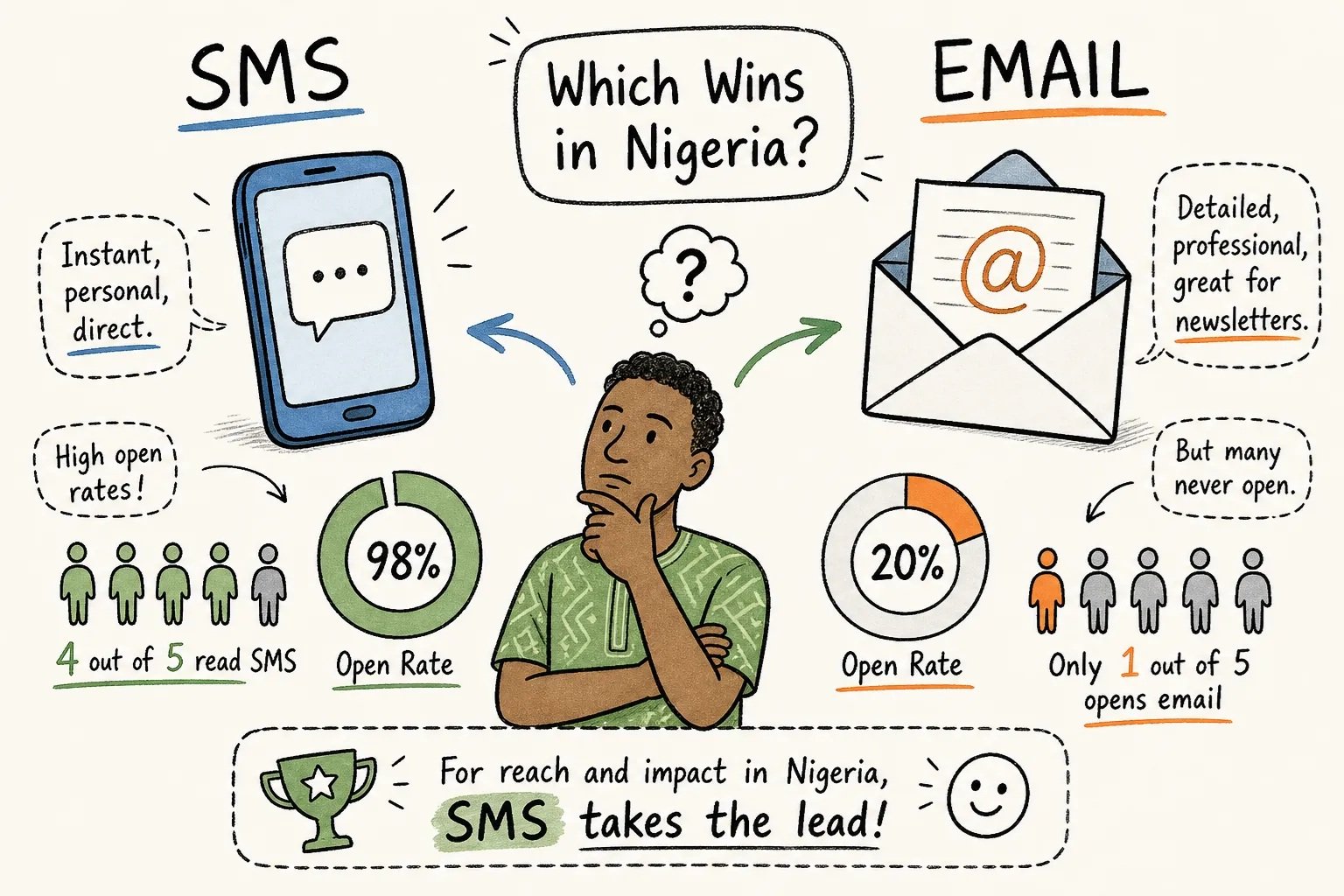
- For critical communication, consider using backup channels like email or voice calls
Conclusion: How to Improve Bulk SMS Delivery in Nigeria
If your bulk SMS messages are failing in Nigeria, the issue is usually due to DND restrictions, unapproved Sender IDs, content violations, network issues, or unreliable routes.
By cleaning your contact list, using compliant content, registering your Sender ID, and working with a reliable provider, you can significantly improve your SMS delivery rate and campaign performance.
At Nigeria Bulk SMS, we help businesses, institutions, and organizations send fast, reliable, and compliant bulk SMS across all Nigerian networks.
If you are experiencing SMS delivery issues or want to optimize your campaigns, our team is ready to support you.